

Understanding Photovoltaic Modules, Strings, And Arrays: Key Concepts, Differences, And Connections
Oct 29, 2025
When I first entered the solar industry, I was often confused by terms like "PV modules," "strings," and "arrays." How are they related? Why can't we build an array directly from modules? Why are strings necessary?
To clarify these concepts, I've prepared this introductory guide to PV modules, strings, and arrays-what they are, how they differ, and how they work together. If you spot any inaccuracies, please feel free to point them out in the comments!
Basic Concepts: Modules, Strings, and Arrays
1.PV Module
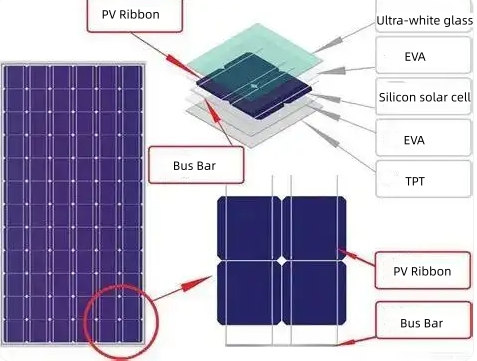
A PV module is the smallest functional unit in a PV system. It consists of multiple solar cells encapsulated between protective layers (such as EVA, backsheet, and glass). Its role is to convert sunlight directly into DC electricity.
2. PV String
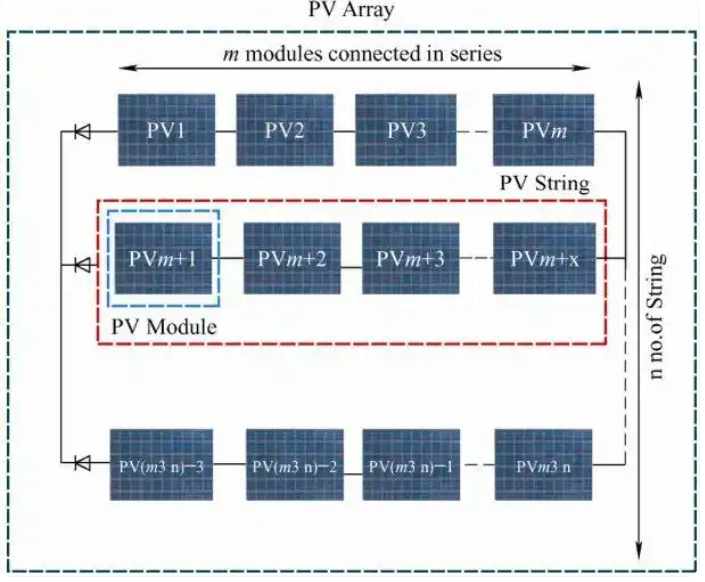
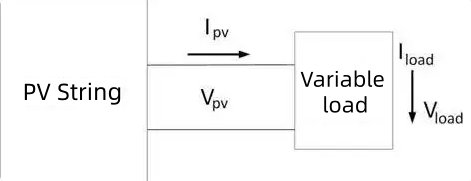
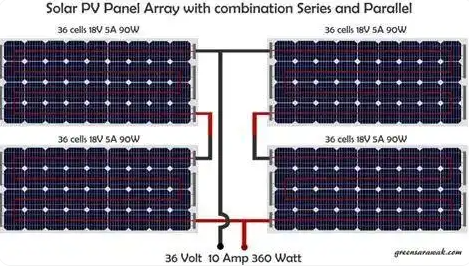
A PV string is formed by connecting several PV modules in series. This increases the total DC voltage to a level suitable for the inverter. A typical string combines modules with matched electrical characteristics to maximize performance.
3. PV Array
A PV array is a complete DC power generation unit made up of multiple modules or strings, mounted on a support structure and connected electrically. Its design must consider layout, orientation, and compatibility with inverters to ensure high efficiency and reliability.
Key Differences Between Modules, Strings, and Arrays
A PV Module is the fundamental power-generating unit.
A PV String is a series-connected chain of modules that raises system voltage.
A PV Array is a larger assembly of modules or strings designed to meet specific energy needs.
This hierarchical structure allows PV systems to be highly scalable and adaptable to different applications.
Why Do We Need Strings? Can't We Build an Array Directly from Modules?
It's true that modules can be wired directly into an array. So why use strings?
The answer lies in system performance, safety, and cost-efficiency.
1. Voltage Matching
A single PV module has a relatively low output voltage (e.g., 30–40V). Inverters, however, typically require input voltages of several hundred volts. By connecting modules in series to form strings, we achieve the necessary voltage level for efficient inverter operation.
2 . Current Management & Expandability
When multiple strings are connected in parallel, the total system current increases. This allows the system to scale power output while using standardized components. It also simplifies system design for varying roof layouts or ground-mounted setups.
3. System Efficiency & Reliability
Using strings enables the use of multiple MPPT inputs on inverters. This means each string can operate at its own maximum power point, minimizing losses caused by shading or module mismatch. If one string fails, the others continue generating power.
4 . Cost and Installation Benefits
String-based designs reduce cable length, minimize the need for combiner boxes, and lower overall balance-of-system costs. They also make installation and troubleshooting more straightforward.
Conclusion
While it's technically possible to build an array without strings, doing so would lead to lower efficiency, higher costs, and reduced reliability. The string-based approach optimizes voltage and current characteristics, improves energy harvest, and supports flexible system design-making it the universal standard in modern PV systems.


