How Tall Are Ground Mounted Solar Panels?
Dec 24, 2025
Setting the Foundation for Success
When you move beyond roof-based installations, you open up a world of optimization and energy independence. As a B2B partner supporting solar installers and EPC contractors, we know that planning a solar land-based array involves more than just selecting high-efficiency modules. One of the most common questions we encounter is: how tall are ground mounted solar panels?
The height of your system is a fundamental engineering choice. It dictates everything from the structural integrity of the racking to the long-term maintenance costs of the site. Whether you are developing a solar farm on a rural property or a commercial array for an industrial facility, understanding the variables that determine system height is essential. This guide provides a professional analysis of height standards, safety requirements, and the logic behind modern structural design.

The Anatomy of Height: Understanding Ground Clearance
In the solar industry, we don't just talk about total height; we focus on "ground clearance." This is the distance between the lowest edge of the solar panel and the surface of the earth. For most ground mounted solar panels, this clearance is the primary factor that determines the overall profile of the installation.
The Standard Clearance Range
A typical residential or small commercial ground mount usually sits between 0.5m and 1.5m off the ground at its lowest point. This isn't an arbitrary number. Engineers select this range to balance structural stability with environmental protection.
If a panel is too low, it becomes vulnerable to debris and moisture. If it is too high, the racking acts as a giant sail, catching the wind and requiring much more expensive foundations to keep it secure. Finding the "sweet spot" ensures your system remains productive without unnecessary construction costs.
Protecting Against Vegetation and Shading
One of the most practical reasons for maintaining adequate height is "shading management." Grass, weeds, and local flora grow surprisingly fast. If your panels are too close to the ground, even a few weeks of neglected landscaping can lead to significant energy losses as weeds cast shadows over the lower cells.
By keeping the panels at least 0.6m high, you allow for easier maintenance. This height provides enough room for commercial mowers or even grazing animals to pass underneath, keeping the area clear and your energy yield at its maximum potential.
Environmental Factors That Dictate Height
Your local climate plays a silent but powerful role in determining how tall your system should be. A design that works in a dry, temperate climate may fail in a region prone to heavy snow or seasonal flooding.
Managing Snow Loads and Accumulation
In higher latitudes, snow is a major design consideration. If your ground mounted solar panels are installed too low, snow will shed off the panels and accumulate at the base, eventually piling up high enough to cover the bottom of the array.
This creates a "dam" effect, preventing further snow from sliding off and increasing the weight load on the racking. To prevent this, engineers often design systems in snowy regions with a minimum ground clearance that exceeds the average local snowpack depth. This ensures the panels remain clear and can resume power generation as soon as the sun comes out.
Flood Protection and Drainage
For projects located in flood-prone areas or regions with heavy seasonal rainfall, height is your primary defense. Water and electrical components do not mix well. Elevating the micro-inverters, wiring, and junction boxes above the recorded 50-year or 100-year flood level is a standard professional practice.
Furthermore, having a taller system allows for better soil drainage underneath the panels. This prevents the foundation area from becoming a muddy swamp, which could eventually lead to "frost heave" or soil shifting that destabilizes the entire structure.
The Structural Relationship Between Height and Wind Load
As a manufacturer of solar racking, we view height through the lens of physics. The taller a system is, the more leverage the wind has against the foundation. This is known as the "overturning moment" in structural engineering.
Wind Pressure and the Sail Effect
A solar array is essentially a large, flat wing. When wind hits the front or back of the panels, it creates immense pressure. According to standards such as ASCE 7-10 (Minimum Design Loads for Buildings and Other Structures), wind pressure increases as you move further from the ground.
If you double the height of your system, you significantly increase the requirements for the ground screws or concrete foundations. This is why most "fixed-tilt" systems are kept as low as possible while still meeting environmental needs. It is the most cost-effective way to ensure the system doesn't move during a storm.
Comparing Mounting Styles: Pole Mounts vs. A-Frames
The design of the racking itself often determines the final height. Different projects require different structural approaches to reach their goals.
Traditional A-Frame (Fixed-Tilt) Systems
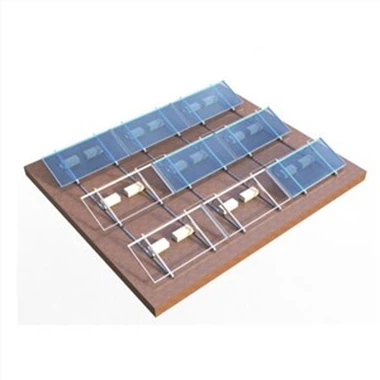
These are the most common for large-scale projects. They use a front and back leg to create a stable triangle. These systems are usually kept lower to the ground to save on material costs and simplify installation. They are excellent for open fields where land is plentiful.
Pole Mount Systems: Reaching New Heights
Pole mounts utilize a single, heavy-duty steel pipe driven deep into the earth. These are often used when the user needs significant clearance-sometimes 2m or more. While they are more expensive per panel, they allow the land underneath to be used for parking, storage, or agriculture. Because they sit higher, they require much deeper and more robust foundations to counter wind loads.
Engineering the Optimal Profile
So, how tall are ground mounted solar panels? The answer is a balance of environmental necessity and structural safety. While 0.5m to 1.5m is the industry standard, the final height of your project should be a deliberate choice based on snow depth, vegetation, and wind load calculations.
By prioritizing the correct ground clearance, you aren't just building a solar array; you are ensuring the 25-year reliability of a valuable energy asset. Selecting high-quality, adjustable racking allows you to meet these technical requirements while keeping installation costs under control.
As a structural specialist, our mission is to provide the engineering support and hardware that make these decisions easy. We help our partners navigate the complexities of ground-mount design with certified, reliable solutions. If you are planning a land-based project and need technical advice on the best height and foundation for your site, our engineering team is ready to assist you.