How Efficient Is Balcony Solar?
Dec 19, 2025
Versatile Energy for Diverse Living Spaces
In the global transition toward renewable energy, the balcony solar system has emerged as one of the most adaptable solutions for decentralized power generation. As a dedicated B2B manufacturer supporting solar distributors and EPC contractors, we recognize that this technology is no longer confined to high-rise apartments. From rural farmhouses with sun-exposed terraces to suburban homes and urban flats, this "plug-and-play" technology offers a functional path to energy autonomy.
But for a professional buyer or an end-user, the core concern is performance: How efficient is such a compact system in real-world conditions? Efficiency is not a fixed number found on a datasheet; it is a variable influenced by hardware quality, environmental factors, and structural precision. This guide provides a technical analysis of what determines the yield of these systems and how to optimize them for maximum return on investment.

Understanding System Efficiency vs. Panel Efficiency
When evaluating a balcony solar system, it is essential to distinguish between the efficiency of the solar cells and the efficiency of the total installation. Most modern monocrystalline panels offer an efficiency of 21% to 23%. This represents the percentage of sunlight converted into DC electricity under laboratory conditions.
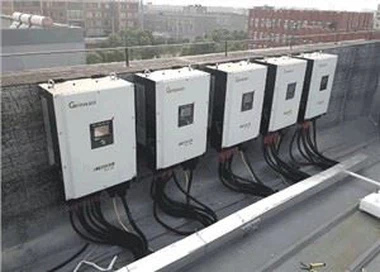
However, "system efficiency" accounts for the conversion loss in the micro-inverter and the physical positioning of the array. A high-performance micro-inverter typically operates at 96% efficiency. When paired with high-grade PV modules, the system becomes a reliable source for covering a household's continuous "base load"-the energy consumed by refrigerators, routers, and standby appliances throughout the day.
The Physics of Positioning: Tilt and Orientation
One of the most significant factors affecting the output of a balcony solar system is the angle of installation. Because sunlight intensity varies depending on the time of day and the season, the physical placement of the panels dictates how many photons are actually captured.
Why Vertical Mounting Is Often Inefficient
In many residential settings, panels are hung vertically (90°) against a railing for simplicity. While this is a viable mounting method, it often results in a lower energy yield. Research across various latitudes shows that tilting a panel to a 30° or 35° angle can increase annual electricity production by up to 25% compared to a vertical mount.
Adapting to the Environment
In rural or suburban settings, where space might be less restricted, users have more freedom to orient their systems toward the true south (or north, depending on the hemisphere). In these cases, the ability to adjust the tilt angle becomes the primary lever for boosting efficiency, allowing the system to harvest peak solar irradiance regardless of the property's architectural orientation.
Environmental Factors: Shading and Airflow
Efficiency is also a matter of environmental management. Even in open rural landscapes, shading from nearby trees or roof overhangs can impact performance. Because cells in a panel are often interconnected, a shadow on one corner can significantly reduce the output of the entire system.
Furthermore, temperature plays a critical role. Solar panels actually perform more efficiently in cooler temperatures. A well-engineered mounting system provides a gap between the panel and the mounting surface, promoting natural airflow. This ventilation keeps the cells at a lower operating temperature, preventing the voltage drop that occurs when panels overheat during peak sun hours.
The Link Between Structural Stability and Longevity
As a manufacturer specializing in solar racking, we view structural integrity as a prerequisite for efficiency. If a mounting system allows the panel to vibrate or shift, it can cause microscopic cracks in the silicon cells, known as "micro-cracks." Over several years, these cracks degrade the panel's performance and shorten its lifespan.
Material Science: AL6005-T5 Aluminum
We utilize AL6005-T5 aluminum alloy for our mounting systems. This material is chosen for its exceptional strength-to-weight ratio and its resistance to corrosion. Whether a system is installed on a coastal balcony or a rural terrace, the hardware must remain rigid and rust-free to ensure the panels stay at their optimal angle for their 25-year design life.
Our Innovation: The Adjustable Universal Bracket
To maximize the efficiency of any balcony solar system, we have introduced our new adjustable pro-bracket series. Designed for global versatility, these brackets allow users to easily adjust the tilt angle from 15° to 45°. The reinforced design is compatible with various railing types and wall mounts, providing a secure foundation that handles high wind loads while ensuring the panel is always positioned for maximum sun exposure.
Economic ROI: Is the Efficiency High Enough?
From an investment standpoint, the efficiency of these systems is highly attractive. In most markets, a dual-panel balcony kit can pay for itself in 5 to 7 years. Given that the hardware is built for long-term use, the "economic efficiency" is clear: once the initial cost is covered, the system provides nearly two decades of carbon-free energy at no additional cost.
For our B2B partners, this reliability is a major selling point. By offering kits that include high-efficiency panels and robust, adjustable mounting hardware, you provide a product that meets the expectations of both the budget-conscious tenant and the long-term homeowner.
final words
Ultimately, the efficiency of a balcony solar system is a result of quality components working in harmony. While the solar cells provide the potential, the micro-inverter and the mounting hardware determine the actual realization of that power. By prioritizing the correct tilt angle, ensuring proper airflow, and using durable materials, any residence can be turned into a productive energy source.
As a structural engineering partner, our mission is to provide the stability and flexibility required for these systems to thrive. We support our global distributors and EPC partners with certified mounting solutions that turn standard balconies and terraces into high-efficiency power plants. If you are looking for reliable, professional-grade hardware to enhance your solar offerings, our team is ready to provide the technical expertise and products you need.